We all want to be unique.
This constant itch to stand out, to differentiate, to make a mark on the stone. But how do you actually create something “unique”? Where does the “Original” end and the “Copy” begin? What part of your work is truly yours when you’re surrounded by external influences?
These are questions worth asking.
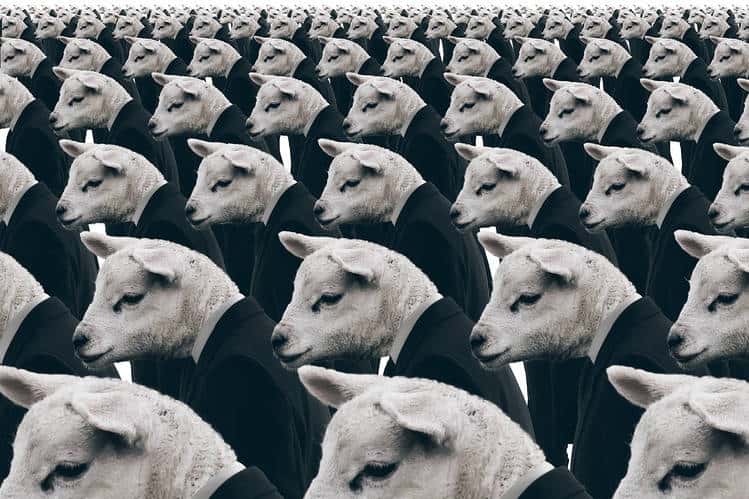
In the era governed by algorithms and comparisons made in “synthetic grass” is easy to fall into a canned consciousness. We follow the trends. We join the herd. We become a copy of a copy.
Of course, there’s no shortage of maps to “uniqueness”, guides and gurus giving advice, some interesting, some not. From Virgil Abloh and his 3% rule to Rick Rubin’s “Filter” concept, you can find inspiration anywhere.
But I want to tell a story. A perspective rooted in a raw, ancient tradition of the indigenous tribes of Brazil, my home country. It’s a way of looking at identity and culture, not as a “filtering” or “creating” but about consuming.
It is the 1920s (the Roaring Twenties). Amidst the post-war euphoria, we find a Brazil in struggle, searching for its own identity. Brazil has colonial influences from Europe, Indigenous-African roots, and a lot of immigrant waves. Like many developing nations, it was trying to copy the European “modern world” without being one.
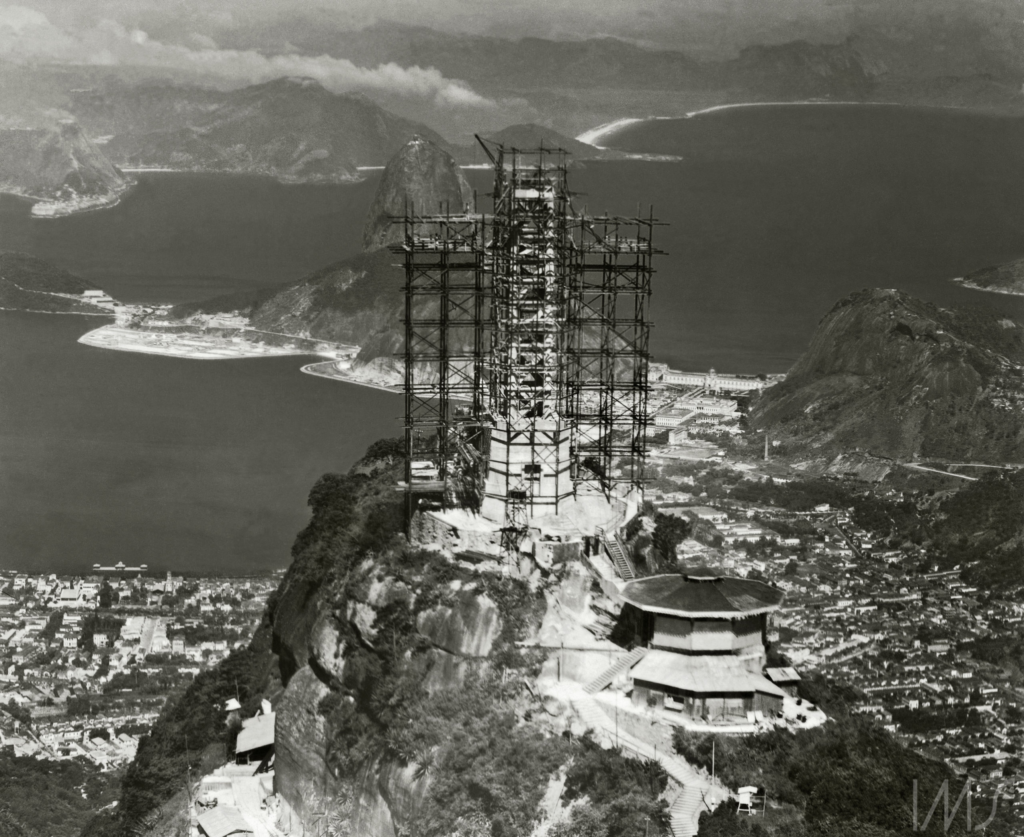
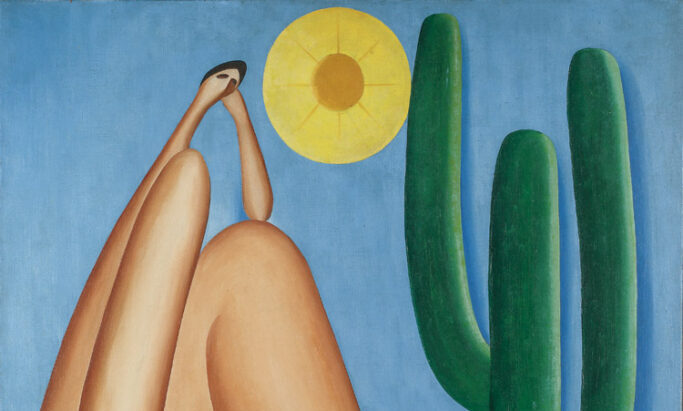
The breaking point came in 1928, through the publication of the Manifesto Antropófago and the painting of Abaporu (which in Tupi means “the man who eats people”) by Oswald de Andrade and Tarsila do Amaral, the Anthropophagic movement was born.
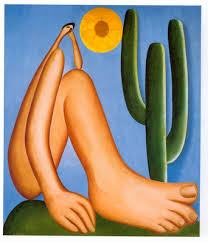
The idea that the Brazilian identity would come neither from the expulsion of the “Other” nor from forgetting the past, but from the deglutition of both. Digesting the other to create the self.
Let’s eat!
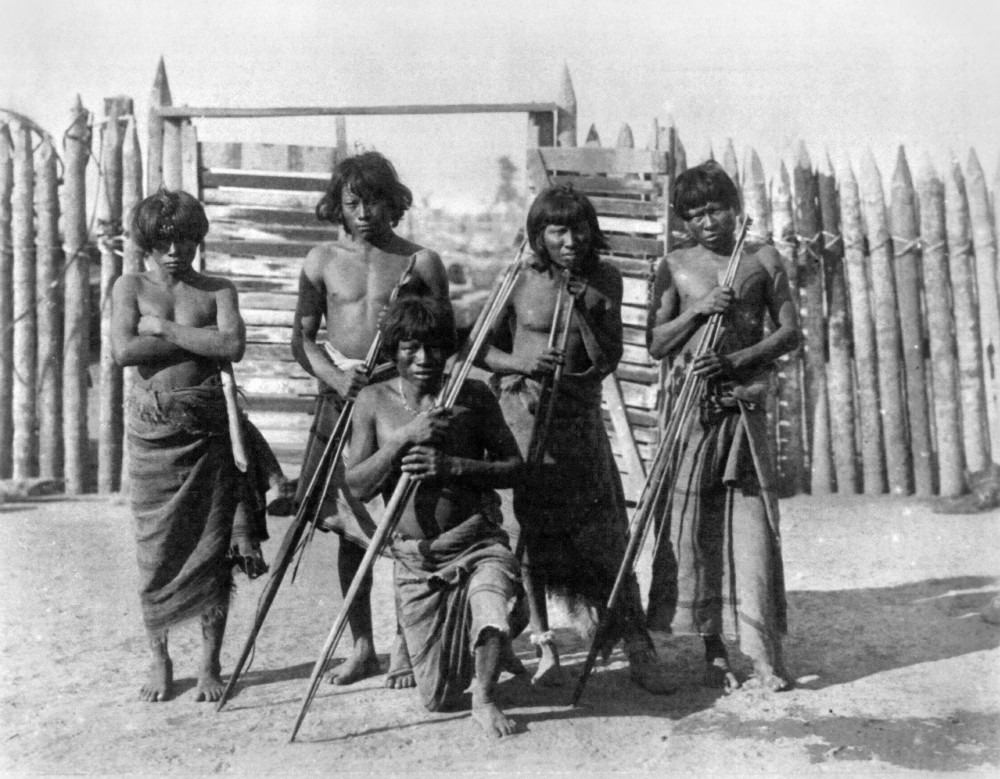
Anthropophagy, or the act of eating people, was one of the most significant rituals of the Brazilian tribes, most notably the Tupinambá. It was an extremely meaningful act, celebrated by both those eating and the one being eaten. It was a ceremony of ingesting and absorbing the enemy.
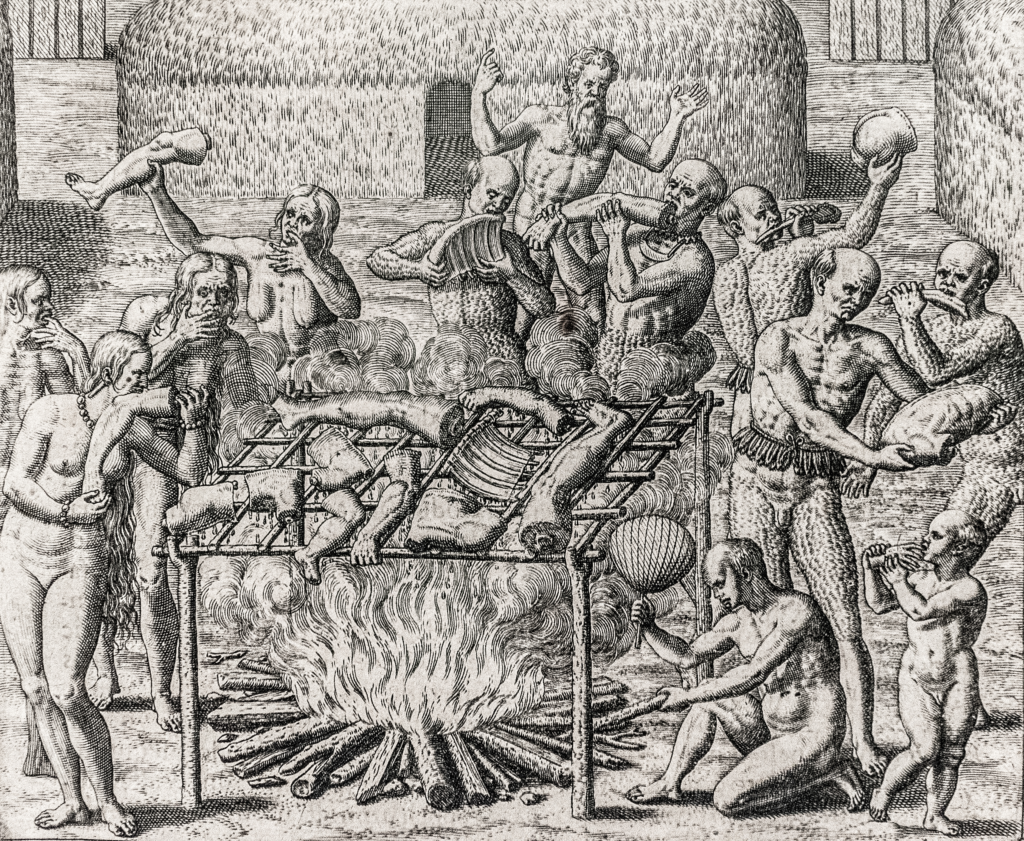
Taken from the battle with rival tribes, the bravest warriors were taken prisoners [1]. Treated well, fed, they would live among the tribe, and on the day of the ritual, killed. Their parts, fragmented and distributed. Each part of the body carried a virtue and was to be consumed by those who needed it most. It was an act that understood the “Other” possessed qualities whose energy could be reworked for the good of the tribe.
This ritualistic ceremony wasn’t an act of mindless destruction. It was a confrontation to set the score for fallen family and friends killed between the tribal wars, but it was also a radical act of appropriation, not to become the “Other” but to capture their raw power, the technique, and the spirit that made the enemy formidable in the first place. Filtering the world for your own benefit.
And then?
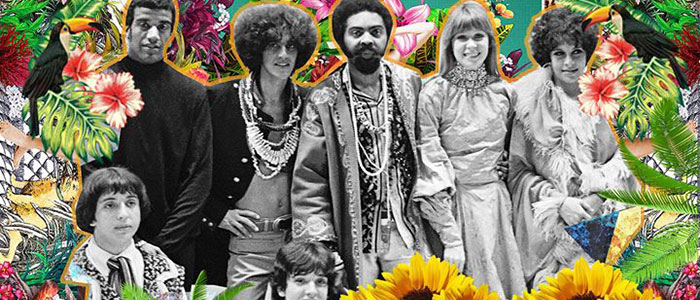
This philosophy changed a lot, and is considered a turning point in Brazilian modern culture. It fueled the Tropicalia movement in the 60s, mixing the electric guitars of American rock and Brazilian MPB or the Manguebeat in the 90s wich fuses regional rhythms (maracatu, coco, ciranda) with rock, hip hop, and electronic music.
Today, this metabolic process is even more relevant. Everything is a mix. Rosalía, who took Flamenco and put modern beats, or K-Pop, which took Western R&B inspiration and Japanese culture, making something that is entirely its own thing. They are not copies, but you can see the inspiration. They are the digestion of many things.
Curate Yourself: The Gastric Juice of Critique
In the digital age, we are constantly absorbing things unconsciously, from the biases of our newsfeeds to the aesthetics of our screens, and the attitudes of our people around us. What we call “Pop Culture” is often served to us on a silver platter by algorithms; it is a pre-chewed meal that everyone else is consuming
If you want to be unique, you must practice Self-Curation. The intentional act of choosing which parts of the “Other” will become your “Self” tomorrow.
Curate your Buffet: Be intentional about what you consume. You need to decide on what you like and dislike. Be aggressive on this. Critique is the acid that breaks down an influence.
Eat it: Don’t just “save” or “bookmark” things. Write about them, sketch them.
Identity isn’t found by looking inside a vacuum. It is created by how you filter the outside.
My final question to you is: What are you eating today?